
“When a severe snowstorm completely shut down our operations, G&W Electric recognized the benefits of installing a microgrid to deliver uninterrupted premium power to support our critical operations as well as our customers, ” shared John Mueller, Chairman, and Owner of G&W Electric.
So that was the beginning.
How Microgrid Technology Supports Power System Reliability at G&W Electric
Reliable power is a critical consideration for industrial facilities that depend on continuous operations. Events such as severe weather and grid disruptions can quickly impact productivity, safety, and service continuity, making power reliability a key operational priority.
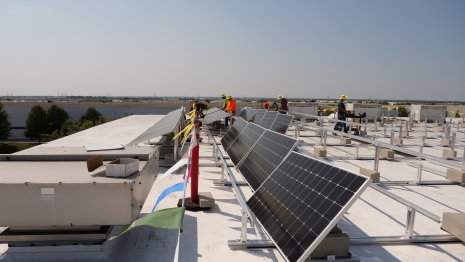
Last year, G&W Electric embraced the initiative to build a microgrid at its headquarters in Bolingbrook, IL, and generate its own electricity on-site to use when needed. The efforts went through several stages, from defining the detailed requirements of the energy storage components to designing the solar farm and flywheel.
The Role of Distributed Energy Resources in Facility Power Reliability
Distributed energy resources support the microgrid by providing localized power and added flexibility during grid interruptions. At G&W Electric, on-site generation and energy storage technologies help maintain stable electrical performance when external power is unavailable or disrupted.
By supporting the broader microgrid framework, these resources help the facility manage power more effectively during outages, high-demand periods, and severe weather, strengthening overall power system reliability without changing the facility’s existing operations.
Frequently Asked Questions
How does microgrid technology support power system reliability at industrial facilities?
Microgrid technology helps support power system reliability by allowing facilities to manage energy supply locally when the power grid is disrupted. By balancing power flow between grid-connected resources and on-site technologies, facilities can maintain electricity supply and improve grid reliability during severe weather or outages.
What role do distributed energy resources play in facility power operations?
Distributed energy resources, including renewable energy sources and battery storage, support facility operations by providing flexible energy supply during grid interruptions. These distributed energy technologies help maintain system performance without replacing the existing distribution system.
How do renewable energy sources interact with the power grid at a facility level?
Renewable energy sources such as rooftop solar or wind turbines can operate as grid-connected resources, supporting electricity supply when conditions allow. Energy management systems help coordinate power flow between on-site generation and transmission and distribution lines to maintain stable operations.
Can facility-level energy technologies help improve reliability without major infrastructure changes?
Facility-level energy technologies can support grid reliability and component reliability by improving how energy supply is managed during outages or peak demand periods. While outcomes vary by facility, better coordination of renewable energy and battery storage can help maintain reliable power without major changes to power plants or grid connections.


